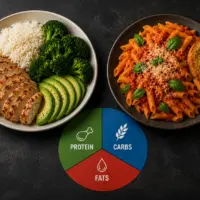

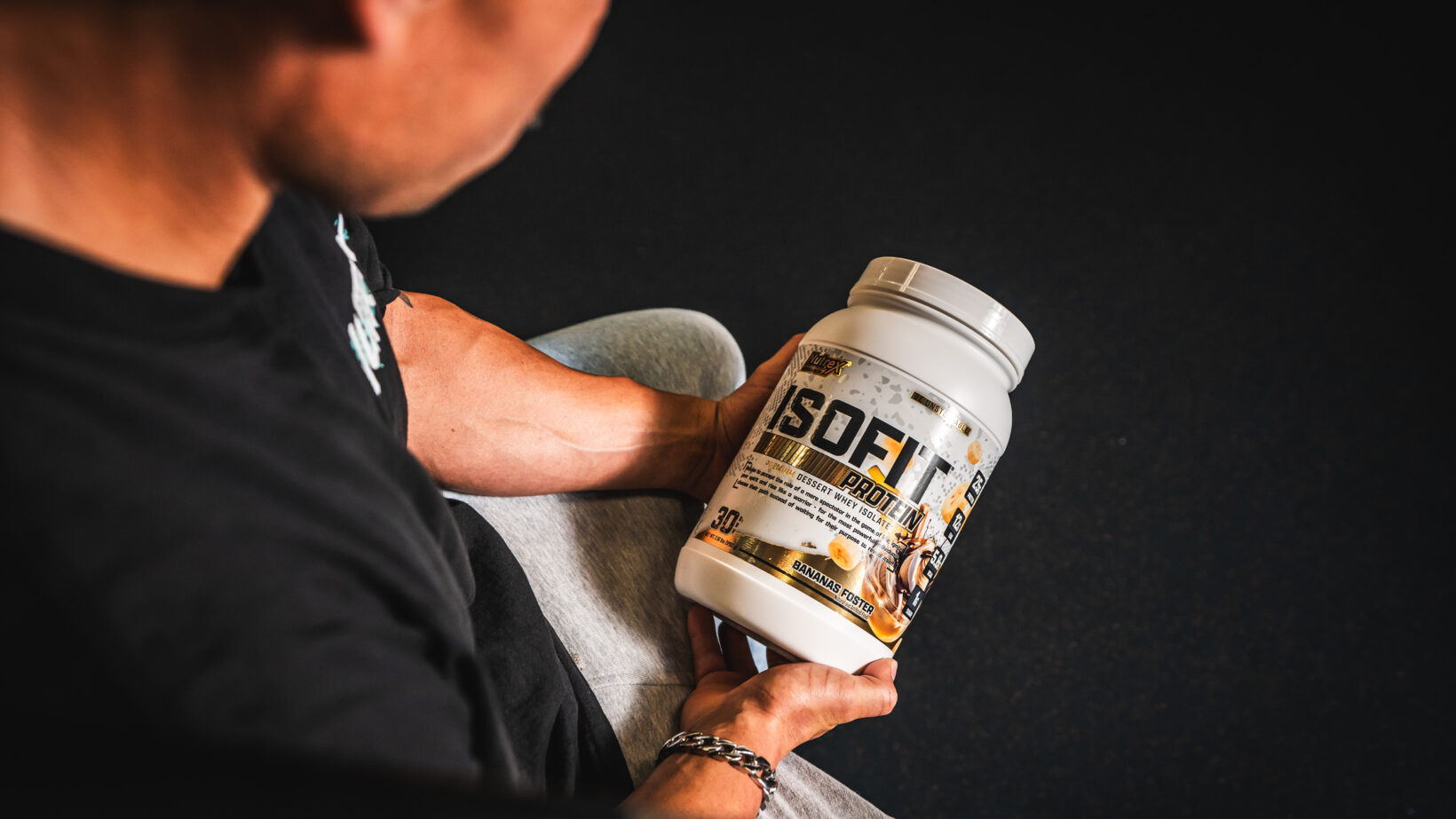

Here’s a truth that most people don’t truly grasp: regardless of what your fitness goal is – whether it’s gaining size or muscle – or losing weight – the key to reaching that goal comes down to ONE, single nutrient. Protein. Are you getting enough? Let’s get into this…
Walk into any gym and you’ll hear the same conversations repeated on an endless loop…
Someone wants to gain size. Someone else wants to lose fat. Another person is chasing a new PR. Someone else just wants to look better in the mirror.
Different goals. Different programs. And even different timelines.
But underneath all of it – the physiology is the same.
Every training goal – whether it’s muscle growth, strength development, fat loss or body recomposition – rests on a single nutritional foundation:
Protein.
Without enough of it – nothing works the way it should. Training becomes harder to recover from, muscle growth slows down, fat loss becomes more difficult and progress stalls.
Protein isn’t a “bodybuilding nutrient”…
It’s the biological raw material your body uses to repair itself, rebuild tissue, regulate metabolism and adapt to stress.
When you train – you create microscopic damage in muscle fibers.
That’s not a bad thing – that’s the signal your body uses to grow stronger.
But the rebuilding process requires resources.
And the most important resource is amino acids – which come from protein. And here’s what you need to know.
The Foundation of Strength, Size and Recovery
Training breaks the body down.
Protein builds it back up.
That’s the cycle that drives every physical adaptation you’re chasing in the gym.
When you lift weights, sprint, grapple or push your body hard – muscle fibers experience mechanical stress. Your body responds by repairing and reinforcing those fibers so they can handle more stress the next time.
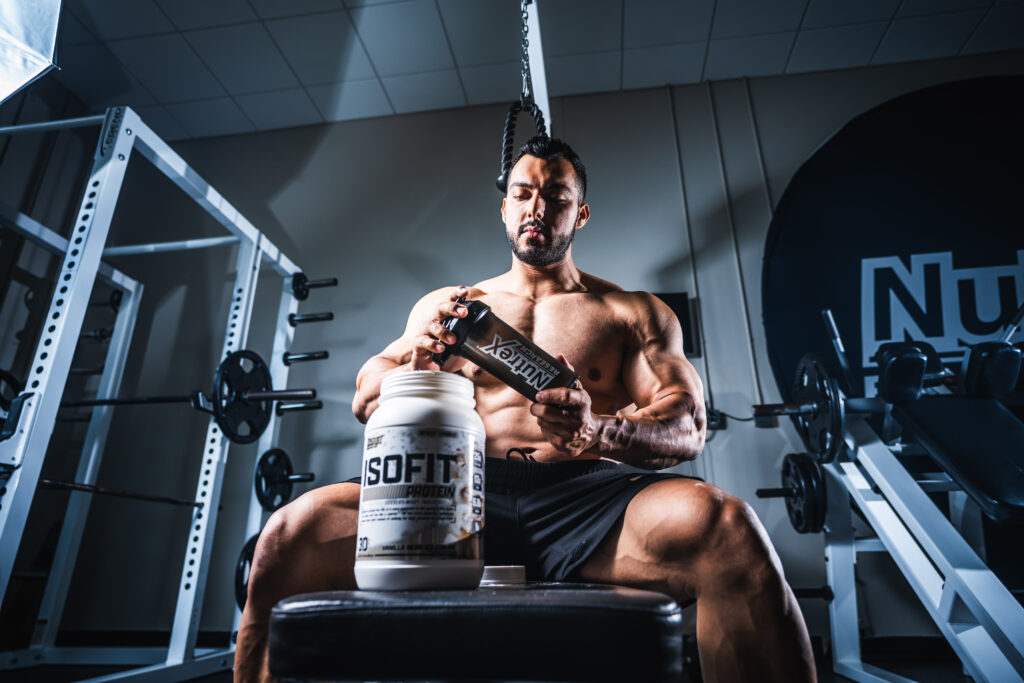
This process is known as muscle protein synthesis – and it’s the biological engine behind gaining size and strength.
Without adequate protein intake – that process slows dramatically.
Your body simply doesn’t have enough building blocks to do the job efficiently.
The same rule applies even when your goal isn’t gaining muscle.
Fat loss still requires protein because your body needs it to preserve lean muscle mass while you’re in a calorie deficit. Without sufficient protein…
The body doesn’t just burn fat – it can also break down muscle tissue for energy.
That’s why high-protein diets consistently show better body composition outcomes in research.
More muscle preserved. Better metabolism. Better long-term results.
Whether you’re cutting weight or building size – protein remains the backbone of the process.
Separating Protein Facts From Supplement Myths
Despite how fundamental protein is to human physiology – there’s still a surprising amount of confusion around protein supplements.
You’ve probably heard someone say something like, “Protein powder isn’t good for you,” or “Doctors don’t recommend protein powder.”
Most of that skepticism doesn’t come from evidence – it comes from misunderstanding.
Protein powder is simply a concentrated food source of protein – most commonly derived from dairy (whey or casein), eggs or plant proteins.
It’s not a steroid, a drug or some synthetic mystery compound…
It’s food – just processed into a convenient format.
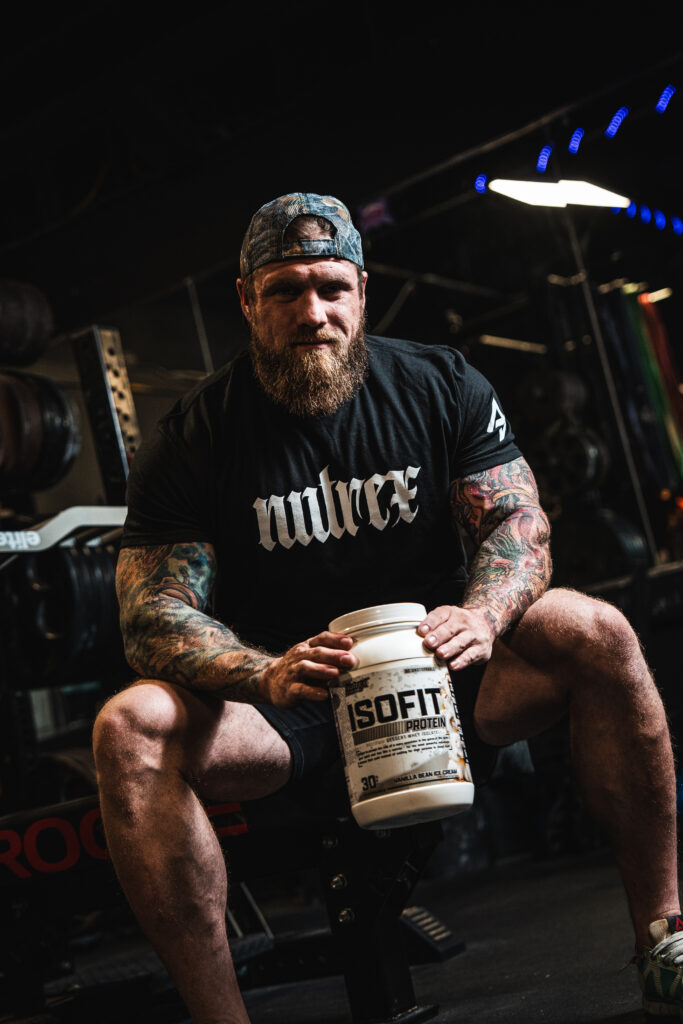
For people who struggle to hit their daily protein intake through whole foods alone – protein powder can be an extremely practical tool.
Busy schedules, appetite limitations and modern lifestyles make it difficult for many people to eat enough high-quality protein every day.
A protein shake simply makes that process easier.
Concerns sometimes arise when low-quality protein products are filled with unnecessary additives, excess sugars or poorly sourced ingredients.
But high-quality protein powders – especially those built around pure whey isolate or well-formulated blends – are widely used by athletes, clinicians and nutrition professionals alike.
The key isn’t avoiding protein powder…
The key is choosing the right one.
Choosing Quality Over Hype
Walk down the supplement aisle and you’ll see dozens of protein powders claiming to be the “best.”
But when it comes to protein supplementation – the real difference isn’t flashy marketing or flavor names.
It comes down to a few simple fundamentals:
- Protein quality.
High-quality protein sources contain all essential amino acids needed for muscle repair and growth. - Digestibility.
The body needs to efficiently absorb the protein you consume. - Purity.
Minimal fillers, minimal sugar, and a clean ingredient profile.
For most athletes and lifters – whey protein isolate consistently stands out as one of the most effective and widely studied protein sources available.
Whey isolate is rapidly absorbed, rich in essential amino acids – especially leucine, which plays a key role in triggering muscle protein synthesis – and generally easier to digest than many other protein forms.
That combination makes it one of the most reliable choices for supporting training recovery and muscle growth.
There isn’t a single “magic” protein powder that works for everyone…
But the best formulas share those same characteristics: high-quality protein, strong amino acid profiles and minimal unnecessary ingredients.
When Dietary Needs Matter
Another common concern people raise about protein supplements involves digestive issues or dietary restrictions.
For example, individuals with celiac disease or gluten sensitivity often wonder whether protein powder is safe for them.
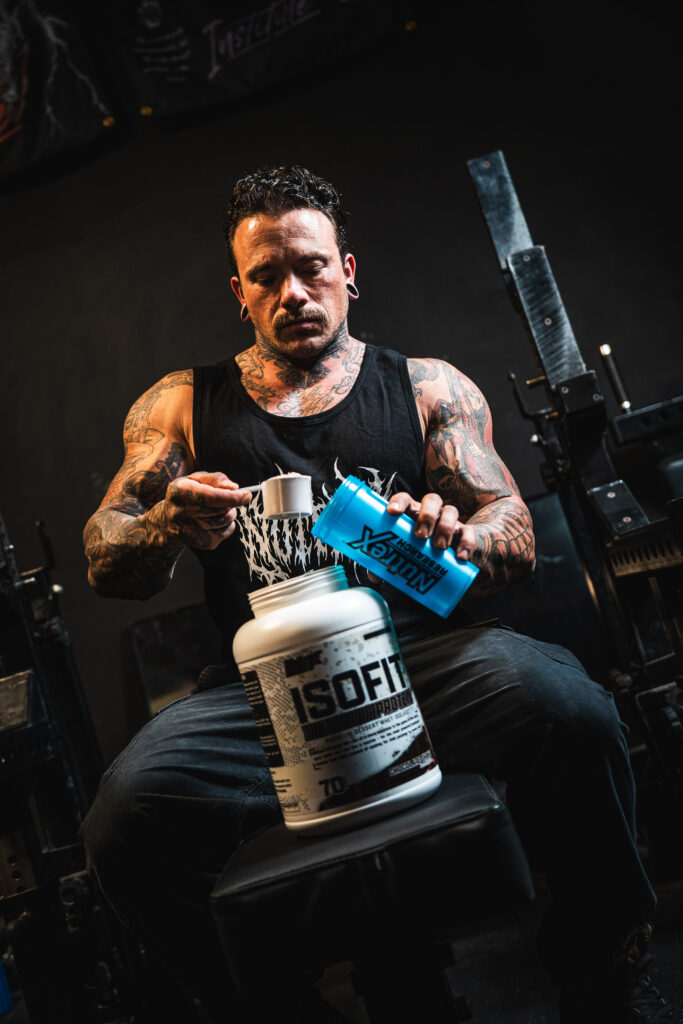
The good news is that many protein powders are naturally gluten-free – especially whey isolate products that contain very few ingredients beyond purified protein itself.
As with any packaged food – the key is verifying that the product is certified gluten-free and manufactured in a facility that avoids cross-contamination.
Quality brands take these considerations seriously because digestive comfort and ingredient transparency matter just as much as performance.
For individuals with lactose sensitivity – whey isolate is often easier to tolerate than whey concentrate because most of the lactose is removed during the filtration process.
Again… quality matters.
When protein is properly sourced and processed – it becomes one of the most versatile and widely tolerated nutritional tools available.
One Nutrient To Rule Them ALL
At the end of the day – your training program might change.
Your goals might evolve.
You might shift from building muscle to leaning out. From strength training to conditioning. From off-season growth to cutting weight.
But the biological requirement underneath it all doesn’t change.
Your body will ALWAYS need protein.
It needs it to repair damaged tissue, support metabolism, maintain muscle mass, regulate hormones and keep recovery moving forward. Without enough protein in the system – progress slows – no matter how hard you train.
That’s why smart athletes treat protein intake as a daily non-negotiable.
It’s not a trend or a shortcut…
It’s the nutritional foundation that makes everything else possible.
“Muscle is built in the gym, but it’s fed in the kitchen.”– Arnold Schwarzenegger
Editor’s Note: If you’re looking for a clean, high-quality protein source to support whatever fitness goal you’re chasing – our ISOFIT Whey Isolate delivers fast-absorbing protein with low sugar, excellent digestibility and incredible flavor – making it easy to add to your daily schedule. At just 120 calories and 25 grams of protein per scoop – it fits PERFECTLY into almost any macro target. Grab your own ISOFIT today!