
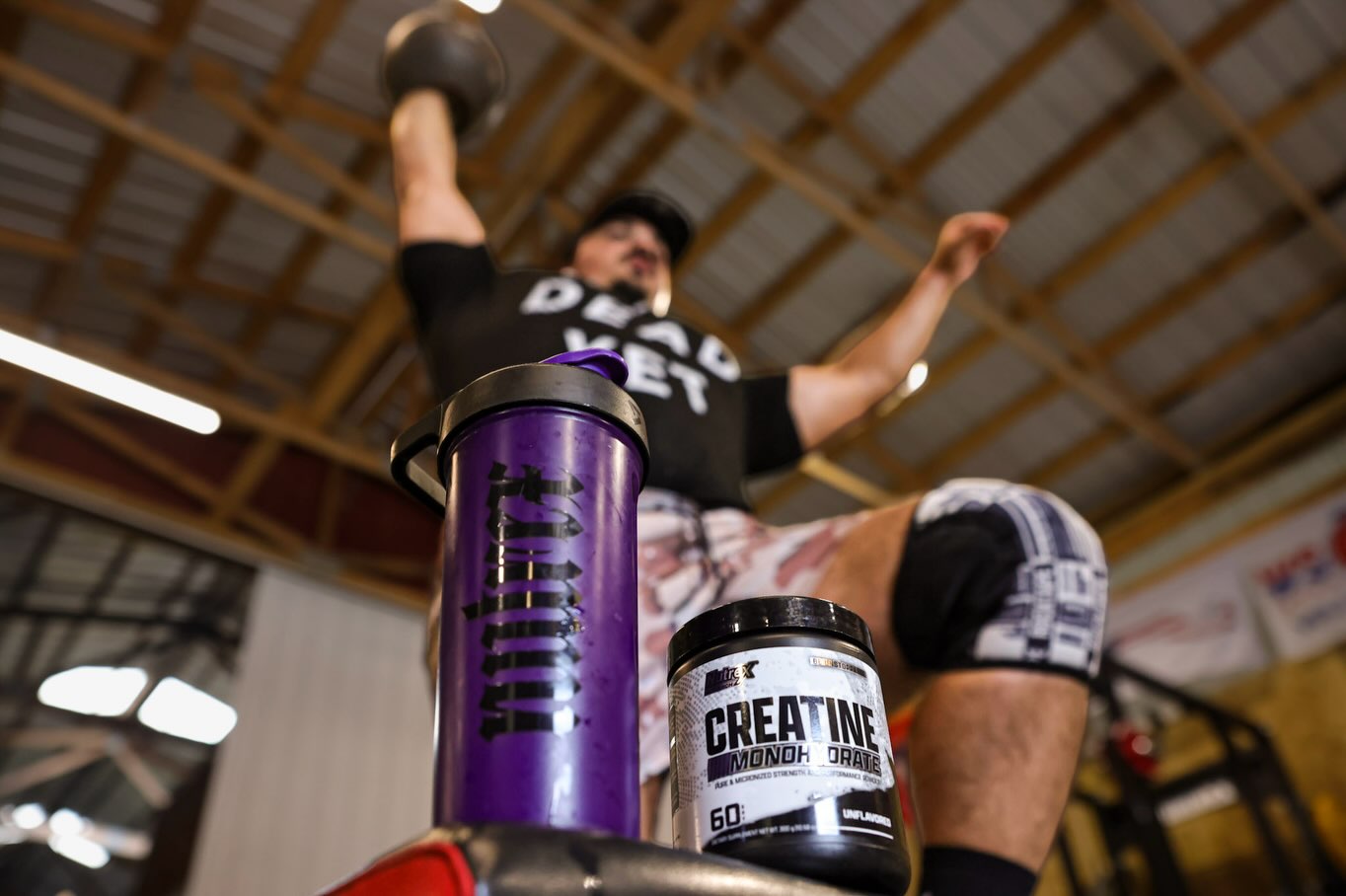

With the kickoff of pro football happening this weekend – we wanted to take a closer look at what it takes to build one of these beasts… and what we can take from their insane regiments and add to our own. You don’t have to be a pro athlete to look like one. Let’s get into this…
By the time you see a football player on Sunday – you’re watching the smallest part of who he is.
The uniform, the play calling, the highlights – that’s the costume…
The athlete was built in July two-a-days, in the training room at 5 AM, with a diet plan that doesn’t care what day it is.
Before he’s a player – he’s a body that has to hold up to collisions most people would need a hospital visit for.
This is how football players actually stay in peak physical condition – and what we can learn from their routines…
The Short Answer: Football players stay in peak physical condition through a year-round cycle of structured strength training, position-specific conditioning, strict recovery protocols (7–9 hours of sleep, active recovery, physical therapy) and precise nutrition timed around training load. Off-season programs typically run 4-6 days per week and combine max-effort strength work with speed, agility and injury-prevention training – supported by supplementation for energy, recovery and lean mass maintenance.
Athlete First – Player Second
Every player was an athlete before he had a position.
Strip away the modern-day suit of armor and what’s left?
Raw physical output – force production, top-end speed, the ability to absorb and deliver impact snap after snap…
That foundation gets built and re-built constantly – there’s no coasting at that level…
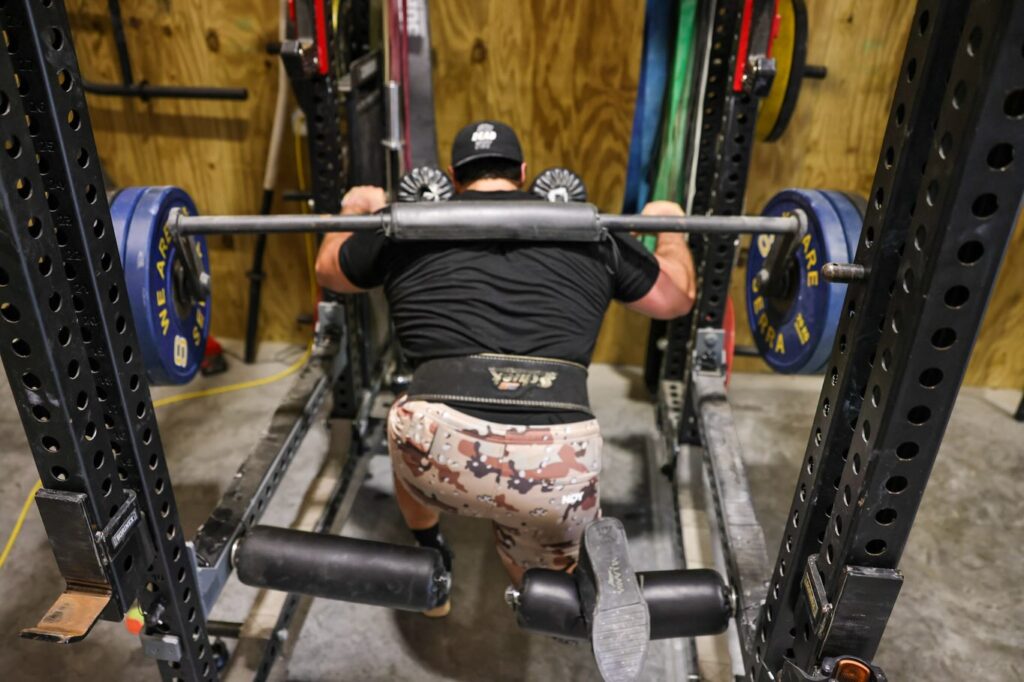
A lineman’s off-season strength block looks different from a defensive back’s speed program – but the underlying demand is the same: the body has to be stronger, faster, and more durable than it was last year… or someone takes the job.
This is the part fans don’t see.
The season is the exam…
But the training is “studying” that happens before it.
What the Training Actually Looks Like
Off-season football training is built around three non-negotiables:
- Max-effort strength work – squat, pull and press variations 3–4x per week to build the base force output for explosiveness on the field
- Speed and agility development – sprint mechanics, change-of-direction drills and reactive training tailored to position demands
- Injury-prevention and mobility work – often the most overlooked piece – but one of the biggest reasons players are still on the field in Week 15
Recovery isn’t optional… it’s programmed.
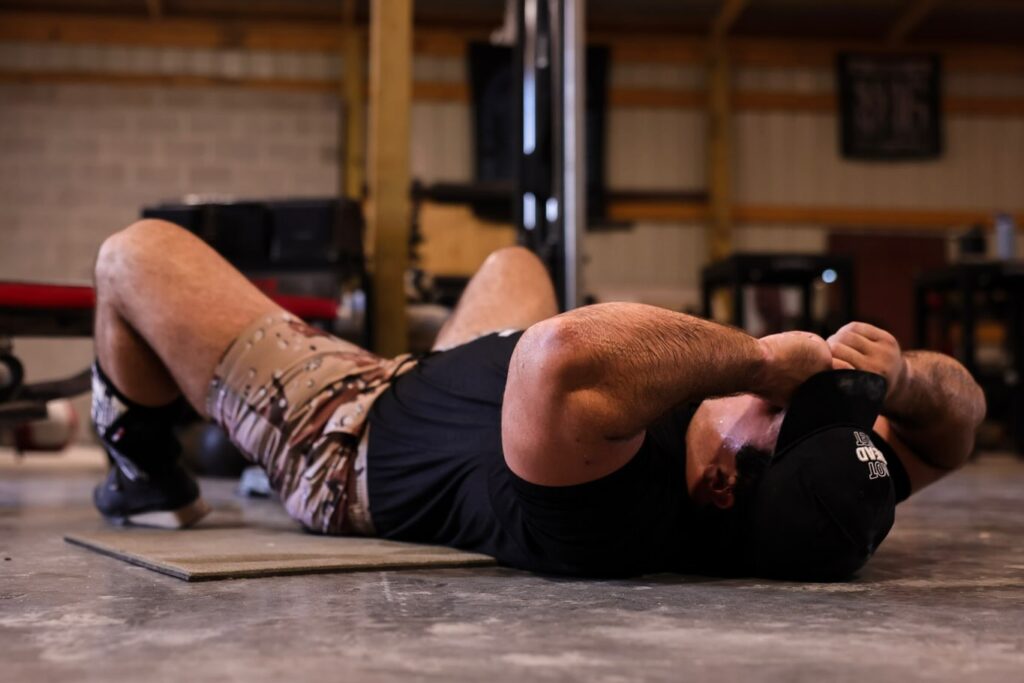
Sleep (7–9 hours), physical therapy, contrast baths and deload weeks are built into the calendar with the same seriousness as the lifts themselves.
A body that trains at this intensity without recovering at the same intensity breaks down fast.
Fueling and Supporting That Kind of Output
Nutrition for a football player isn’t about eating “healthy”…
It’s about eating for a specific job.
High training volume demands consistent protein intake (often 1–2g per kg of bodyweight) to support recovery and lean mass…
Carbohydrate timing around two-a-days to keep energy output high…
And hydration protocols that account for pads, heat and hour-plus practices.
This is where the right supplementation closes the gap between what a plate of food delivers and what a body under that kind of stress actually needs.
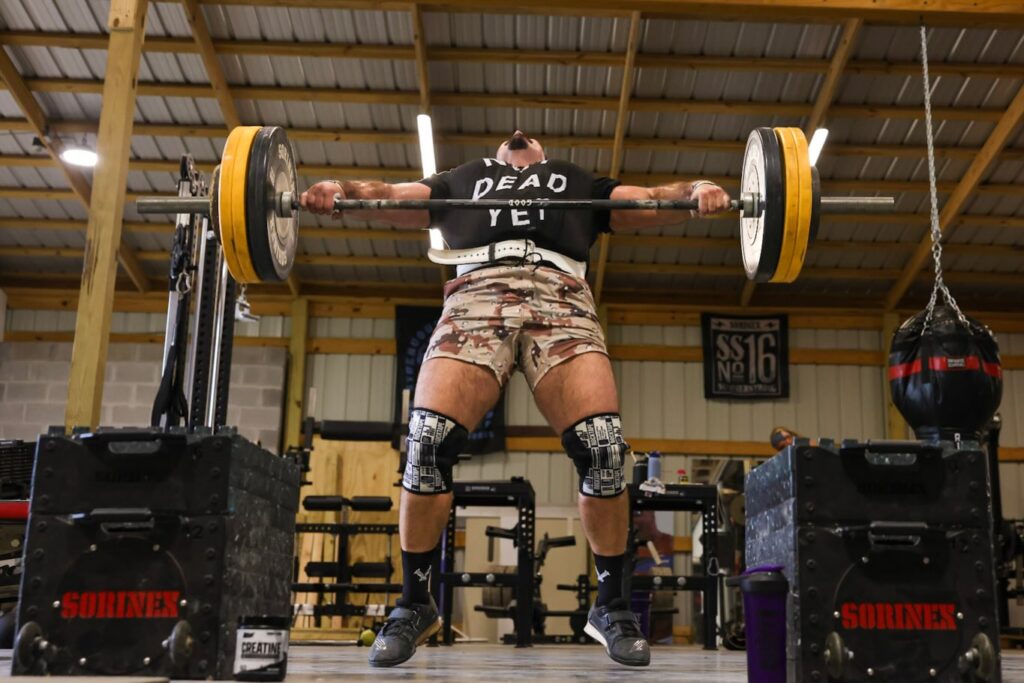
Caffeine and beta-alanine extend training intensity into the back half of a hard session – which matters whether it’s the fourth rep fourth set or fourth down.
A PubMed-reviewed analysis of caffeine and beta-alanine on training performance shows measurable improvements in output during repeated high-intensity efforts.
And that is exactly the profile of a football practice or game.
How To Build A Monster
Football doesn’t have an off-season – it has a different training season.
The off-season blocks are often more intense than in-season maintenance work – because the entire goal is building the strength and conditioning base the season is going to draw down all fall.
That’s where the real gains get made.
What separates this from a typical gym-goer’s program?
Volume and specificity.
A general fitness routine chases broad goals – get stronger, look better, feel healthier. Football training is built around position-specific demands: explosiveness off the line, resilience, the ability to change direction at full speed.
Nothing about it is generic because nothing about the sport is generic.
And supplementation, at the right dose, isn’t just a marketing claim – it’s measurable.
Caffeine and beta-alanine have documented effects on training intensity and repeated high-effort output.
This is absolutely something us “regular” gym goers can implement into our own routines immediately…
And you don’t need to have a multi-million-dollar contract to do so.
“Today I will do what others won’t, so tomorrow I can accomplish what others can’t.” – Jerry Rice
Editor’s Note: Football players aren’t built on Sundays… they’re built in the months before. One rep and one recovery day at a time. That’s the standard – not because of the uniform – but because of what it takes to earn it. You may not get on the field – but you can train like it. OUTRAGE has the caffeine and beta-alanine you need to push to the next level. Fuel the work that brings in those gains – grab OUTRAGE today.